

Collagen has become one of the most popular supplements in the anti-aging and wellness space, showing up in powders, drinks, gummies, and even coffee creamers. It's marketed as a solution for everything from wrinkles to joint pain to hair growth. The actual research, while promising in some areas, is more modest than the marketing suggests.
What Collagen Actually Is
Collagen is the most abundant protein in the body, forming a major structural component of skin, joints, tendons, ligaments, and bones. Natural collagen production peaks in our 20s and gradually declines with age — by an estimated 1% per year — contributing to some of the visible and functional changes associated with aging skin and joints, including reduced elasticity and increased joint stiffness.
The Case for Skin Benefits
Several clinical studies have found that oral collagen supplementation, typically in the form of hydrolyzed collagen peptides, is associated with improved skin elasticity and hydration after consistent use over 8-12 weeks. The proposed mechanism is that these peptides may stimulate the body's own collagen and hyaluronic acid production, rather than being directly incorporated into skin tissue as-is.
That said, study sizes are often small, industry-funded research is common in this space, and individual results vary considerably. Collagen supplements are best understood as a potential modest support for skin health, not a dramatic anti-wrinkle solution on their own.
Joint Health: A Similarly Mixed Picture
Some research suggests collagen supplementation may help reduce joint pain and stiffness, particularly in people with osteoarthritis or joint discomfort related to physical activity. The effect sizes in these studies tend to be modest, and collagen is generally viewed as a complementary approach rather than a replacement for other joint-health strategies like maintaining a healthy weight, strength training, and anti-inflammatory dietary patterns.
What Collagen Supplements Don't Replace
It's worth noting that the body doesn't absorb collagen supplements as intact collagen — they're broken down into amino acids and peptides during digestion, just like any other dietary protein. This means collagen supplements are, in part, simply another source of protein and specific amino acids (like glycine and proline) that support the body's own collagen synthesis — your body isn't directly rebuilding skin from a scoop of powder.
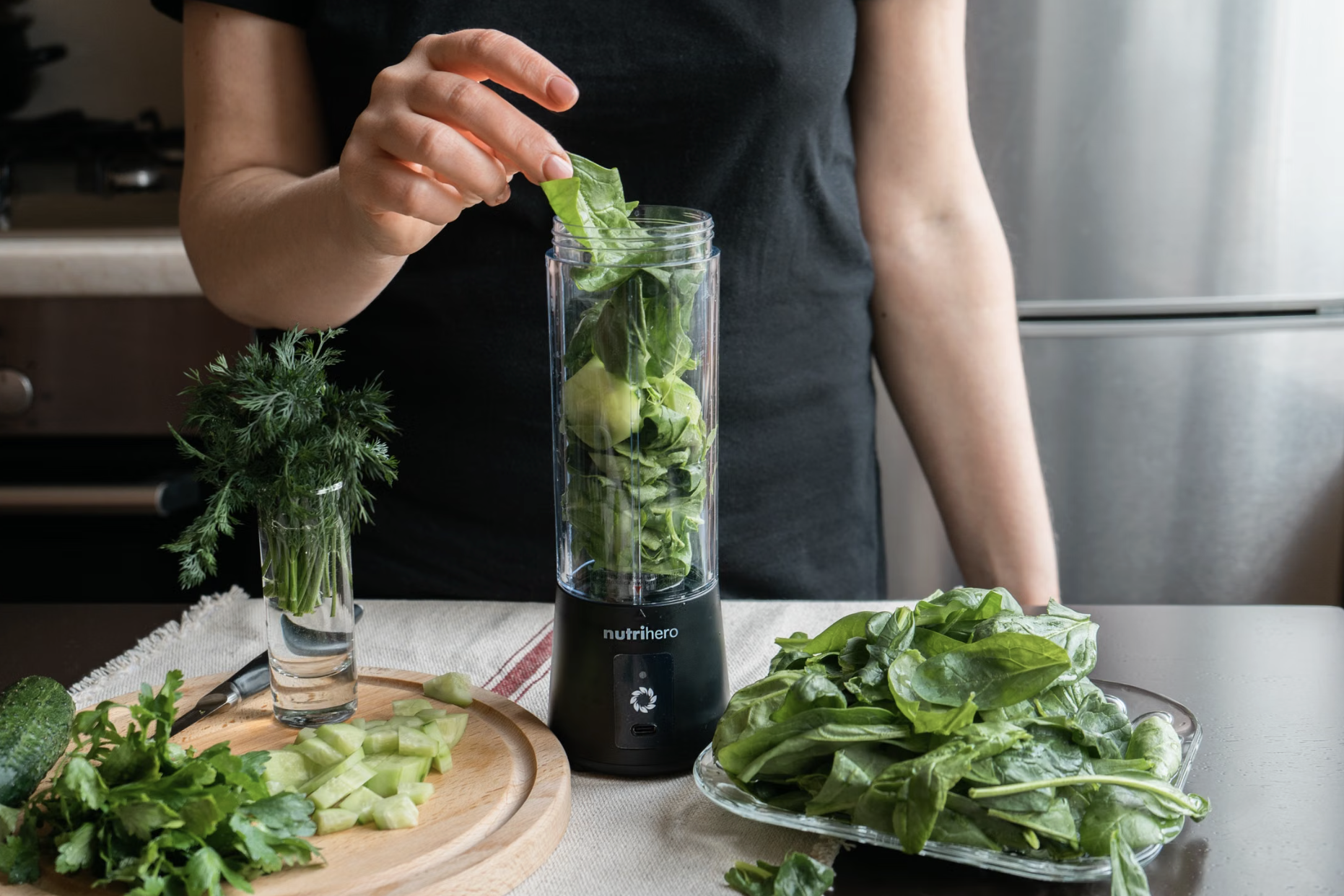
A diet that already includes adequate overall protein, along with vitamin C (which is essential for collagen synthesis), can support the body's natural collagen production without a dedicated supplement. Foods like bone broth, citrus fruits, leafy greens, and protein-rich foods all contribute to this process.
Should You Try It?
Collagen supplements are generally considered safe for most people, with few reported side effects beyond mild digestive discomfort in some cases. If you're curious, a reasonable approach is a trial period of 8-12 weeks, since that's the timeframe most studies use to observe changes, while keeping expectations realistic — modest support rather than dramatic transformation.
As with most anti-aging interventions, collagen works best as one piece of a broader approach that includes sun protection, adequate protein, hydration, and strength training — not as a stand-alone fix.