

Water makes up roughly 60% of the adult human body, and it's involved in nearly every function that keeps you running — digestion, joint lubrication, temperature regulation, nutrient transport, and even cognitive performance. Despite how essential it is, mild dehydration is one of the most common and overlooked issues in daily life, quietly affecting how we feel without us ever connecting the dots.
The Sneaky Symptoms of Dehydration
Most people picture dehydration as something extreme — collapsing after a marathon in the heat, or being stranded without water for hours. In reality, mild dehydration shows up in much subtler ways. Fatigue, headaches, difficulty concentrating, irritability, and even hunger can all be signs that your body is simply low on fluids. In fact, thirst and hunger signals travel through overlapping pathways in the brain, which is part of why people sometimes reach for a snack when what their body actually needed was a glass of water.
Cognitive performance is particularly sensitive to hydration status. Research has shown that even a 1-2% drop in body water — a level that can occur before you even feel thirsty — can measurably affect concentration, short-term memory, and mood. If you've ever hit a mid-afternoon mental fog and reached for coffee instead of water, dehydration may have been part of the problem.
Why Waiting Until You're Thirsty Isn't Enough
Thirst is a lagging indicator. By the time your brain registers thirst, your body is often already mildly dehydrated. This is especially true as we age, since the thirst response tends to become less sensitive over time — which is part of why older adults are at higher risk of dehydration without necessarily feeling thirsty.
Rather than relying on thirst alone, it helps to build hydration into your daily rhythm: a glass of water first thing in the morning, one with each meal, and one within reach during the workday. Small, consistent sips throughout the day tend to be more effective than trying to catch up with large amounts all at once.
Beyond Plain Water
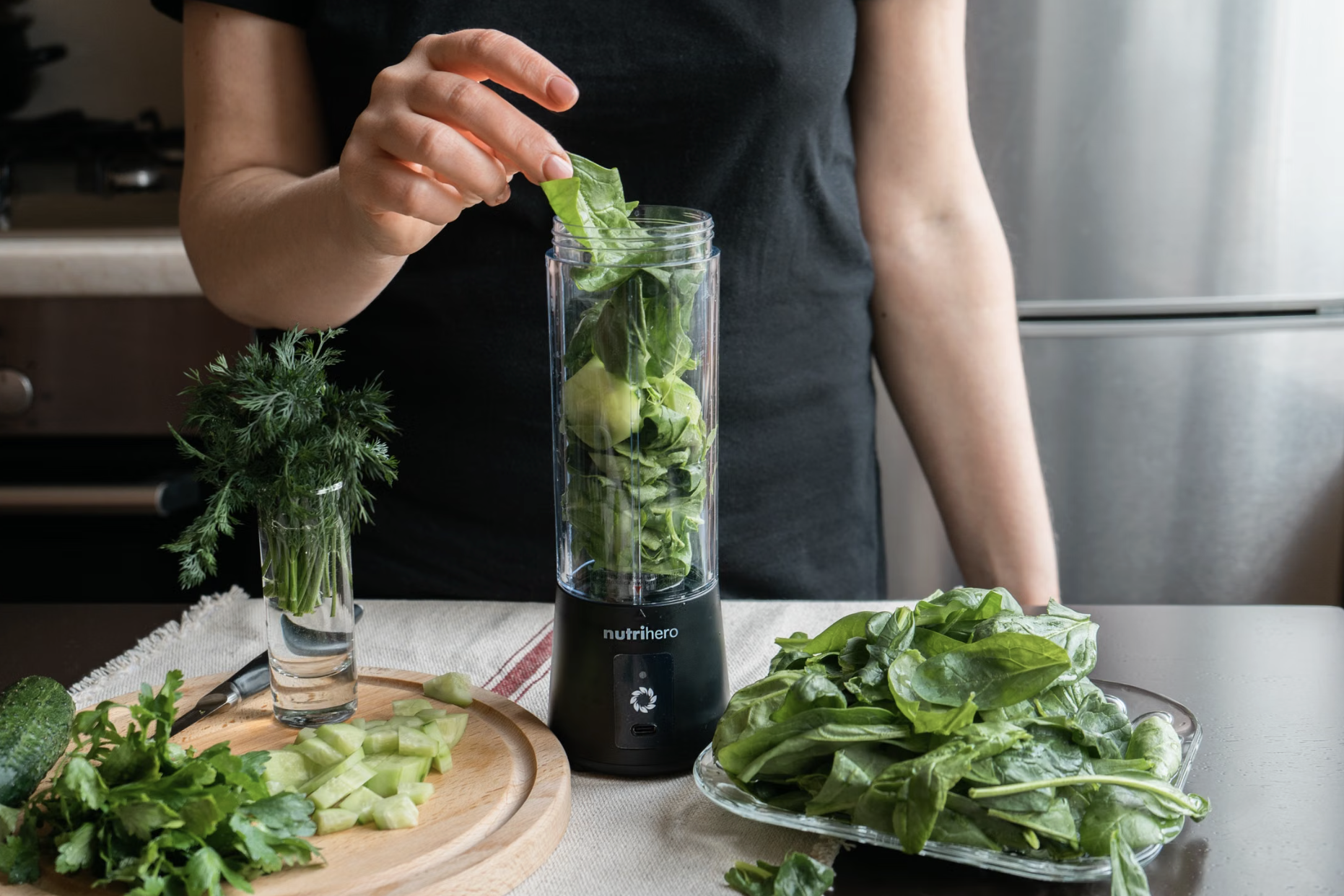
Hydration doesn't have to come exclusively from a water bottle. Herbal teas, sparkling water, and fruit-infused water all count toward your daily fluid intake. Water-rich foods — cucumber, watermelon, oranges, soups, and leafy greens — contribute meaningfully as well, and they come with the added benefit of fiber and micronutrients.
Caffeinated beverages like coffee and tea do still contribute to hydration for most people, despite the old myth that caffeine is strongly dehydrating; the mild diuretic effect is generally outweighed by the fluid itself, especially with regular consumption.
How Much Is Enough?
There's no single hydration number that applies to everyone. Body size, activity level, climate, and even diet all affect individual needs. Rather than chasing a specific ounce target, a more reliable approach is to pay attention to your body's signals: pale yellow urine, steady energy levels, and infrequent headaches are generally good indicators that you're adequately hydrated.
Building a hydration habit isn't glamorous, but it's one of the simplest, lowest-cost changes you can make — and the effects, from clearer thinking to better skin and steadier energy, tend to show up faster than most other wellness habits.