

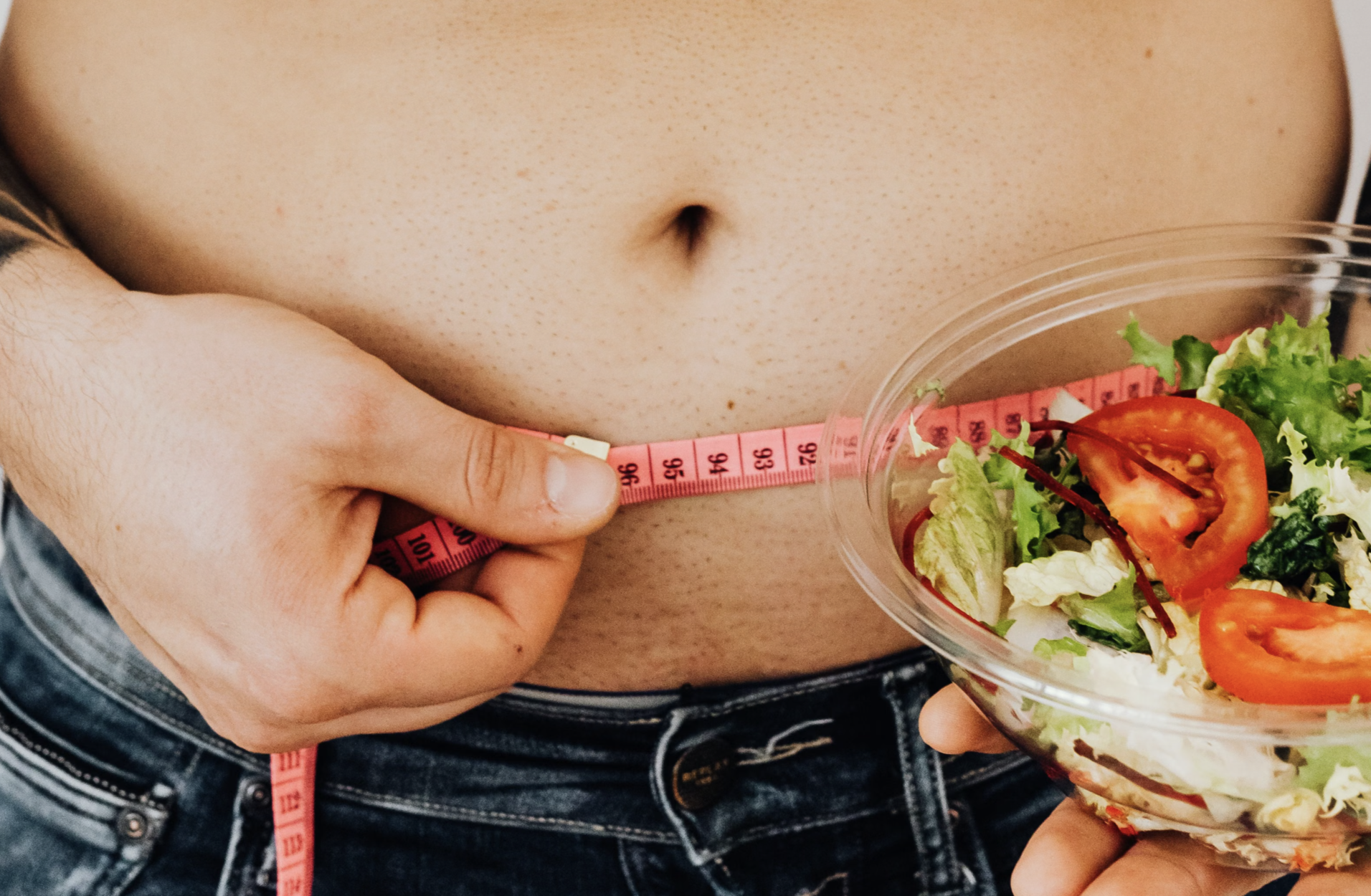
Weight loss conversations often focus heavily on the number on the scale, but a growing body of research suggests that where fat is stored matters just as much as how much of it there is. Two people at the same weight can have very different health risk profiles depending on how their fat is distributed — and visceral fat, the type stored deep around the abdominal organs, has emerged as a particularly important marker for both metabolic health and healthy aging.
Visceral Fat vs. Subcutaneous Fat
Not all body fat behaves the same way. Subcutaneous fat — the fat you can pinch just under the skin — is relatively benign from a metabolic standpoint. Visceral fat, by contrast, surrounds internal organs like the liver, pancreas, and intestines, and it's far more metabolically active. It releases inflammatory compounds and free fatty acids directly into the bloodstream, contributing to insulin resistance, elevated blood pressure, and unfavorable cholesterol patterns.
This is part of why two people with the same body mass index (BMI) can have meaningfully different health risks — BMI doesn't distinguish between fat distribution, while visceral fat levels correlate much more strongly with metabolic disease risk.
The Aging Connection
Visceral fat tends to increase with age, even in people who haven't gained significant overall weight — a shift often driven by hormonal changes, decreased muscle mass, and reduced activity levels. This helps explain why body composition can shift noticeably in midlife even when the number on the scale stays relatively stable: muscle is gradually replaced by fat, and that fat is more likely to be stored viscerally than it was earlier in life.
Because visceral fat drives systemic inflammation (as discussed in the previous post), it's linked not just to metabolic conditions but to accelerated aging processes more broadly, including cardiovascular health and cellular aging markers.
A More Useful Measurement Than the Scale
Waist circumference has emerged as a simple, accessible proxy for visceral fat levels — often considered more informative than weight or BMI alone for assessing metabolic health risk. Measuring around the narrowest part of the waist, typically just above the belly button, provides a rough but meaningful indicator: values above certain thresholds (which vary somewhat by sex and population) are associated with increased health risk, independent of overall body weight.
This doesn't mean the scale is useless, but it does mean that waist circumference — or simply noticing how clothes fit around the midsection — can be a valuable additional data point, particularly for tracking changes over time.
What Reduces Visceral Fat
The habits that reduce visceral fat overlap substantially with the anti-inflammatory and metabolic habits covered throughout this series:
- Regular aerobic exercise appears to preferentially reduce visceral fat, sometimes even before significant changes appear on the scale.
- Strength training helps preserve and build muscle, which supports a healthier overall body composition as we age.
- Adequate sleep and stress management help regulate cortisol, a hormone strongly linked to visceral fat accumulation.
- Reducing added sugars and refined carbohydrates, which are more strongly associated with visceral fat gain than fat from whole food sources.
Bringing It Together
Visceral fat serves as a useful closing concept for this series, because it ties weight management and healthy aging into a single, measurable marker. Rather than fixating solely on total weight, paying attention to fat distribution — and the daily habits that influence it, from movement to sleep to stress — offers a more complete and medically meaningful picture of long-term health.