

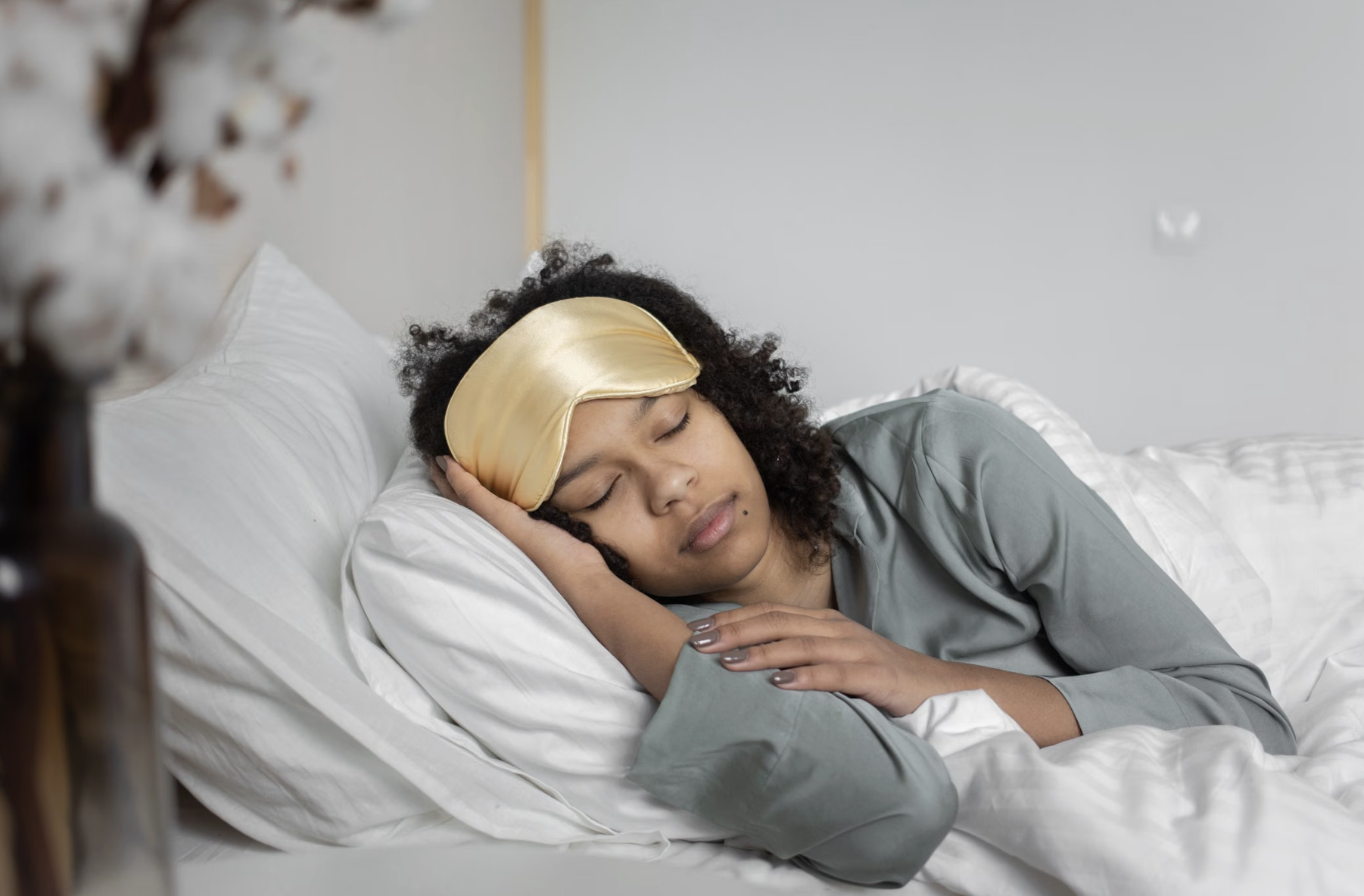
In a culture that often celebrates hustle and busyness, sleep tends to be the first thing sacrificed. It's treated as a flexible variable — something to trade away for one more hour of work, one more episode, one more scroll through your phone. But of all the wellness habits people chase, sleep may be the single most foundational, quietly influencing nearly everything else on this list.
What Actually Happens While You Sleep
Sleep isn't just "downtime" for the brain — it's an active period of repair and regulation. During deep sleep stages, the body releases growth hormone, which supports muscle repair and tissue regeneration. The brain also uses sleep to consolidate memories, clear out metabolic waste products, and reset neurotransmitter levels that regulate mood and stress response.
Meanwhile, hormones that control hunger and fullness — ghrelin and leptin — are directly affected by sleep duration and quality. Just one or two nights of poor sleep can shift these hormones enough to noticeably increase appetite and cravings for high-calorie foods, which is part of why sleep-deprived people often report feeling hungrier the next day.
The Metabolism Connection
Sleep and metabolism are more tightly linked than most people realize. Chronic sleep deprivation has been associated with insulin resistance, slower metabolic rate, and increased fat storage, particularly around the abdomen. This doesn't mean a single late night derails your health, but consistently short or poor-quality sleep can work against other wellness efforts — even a well-planned diet and exercise routine can be undermined by inadequate rest.
Sleep and Skin: The Aging Connection
"Beauty sleep" turns out to be more than a figure of speech. During deep sleep, blood flow to the skin increases and collagen production ramps up, supporting repair of UV damage and everyday wear. Poor sleep, by contrast, is associated with increased signs of skin aging — fine lines, uneven tone, and reduced skin barrier function — along with the more immediately visible effects like under-eye puffiness and dullness.
Immune Function and Long-Term Health
Sleep also plays a critical role in immune regulation. During sleep, the body produces and releases cytokines, proteins that help fight infection and inflammation. Chronic sleep deprivation has been linked to increased susceptibility to illness and, over the long term, higher risk for a range of chronic health conditions.
Building Better Sleep Habits
Improving sleep quality doesn't usually require dramatic intervention — it's mostly about consistency and environment. A few habits with strong evidence behind them:
- Consistent sleep and wake times, even on weekends, help regulate your circadian rhythm.
- Reduced screen exposure in the hour before bed limits blue light, which can suppress melatonin production.
- A cool, dark, quiet room supports deeper, more restorative sleep stages.
- Limiting caffeine in the afternoon and evening, since its effects can linger for six hours or more.
None of these habits are glamorous, and none promise overnight results. But sleep is one of the few wellness levers that affects nearly every other system in the body — metabolism, mood, immunity, and skin health all improve when sleep improves. If you're only able to prioritize one wellness change, sleep is often the one with the broadest ripple effect.